

When Organizations Talk to Consumers about Counterfeiting:
Analysis of 2005-2024 Communication and Consumer Education Campaigns to Build Theory-Informed Brand Protection Strategies
Anastasia G. Kononova, Saleem Alhabash, Patricia Huddleston, Moldir Moldagaliyeva, Heijin Lee, Subhalakshmi Bezbaruah, Dana Anafina
ABSTRACT & FULL REPORT
This project investigates the effectiveness of anti-counterfeiting communication strategies through content analysis and experimental research grounded in media and communication theory. Nearly 400 messages from 94 campaigns (2005–2024) were analyzed to identify elements that induce or reduce psychological reactance—a resistance response triggered by perceived threats to freedom. Findings reveal that most campaigns rely heavily on reactance-inducing features such as authoritative language and negative emotional appeals, while reactance-reducing techniques (e.g., narratives, positive framing) remain underutilized. Two online experiments tested 24 messages across print and video formats and varied sources (government, commercial, NGO). Results show that high-reactance messages evoke anger and reduce campaign likability but can decrease intentions to buy counterfeits, whereas low-reactance messages foster social sharing and engagement. Video formats outperform print in raising awareness, perceived risk, and protective motivation. Audience segmentation, particularly prior counterfeit-buying behavior, significantly influences message reception. Strategic balancing of reactance-inducing and reactance-reducing elements, combined with format and framing considerations, is recommended for future campaigns to optimize persuasion and consumer education.
Download the full research PDF report here.
This research was conducted independently by a team of professors and graduate students from the Department of Advertising and Public Relations at Michigan State University (MSU) using a research grant funding from MSU’s Center for Anti-Counterfeiting and Product Protection (A-CAPP).
With great appreciation, we acknowledge Kari Kammel, A-CAPP Director and Sara Heeg, A-CAPP Strategic Operations Manager, for their contributions to the project. We also extend special thanks to doctoral students in the Department of Advertising and Public Relations, Zheran Liu, Yerkebulan Almanov, and Naadiyahtu Iddrisu.
Obtaining Additional Marketing Insights: This report is not intended to be marketing advice for your organization. For assistance with an individualized marketing strategies incorporating findings from this study with your audience, please contact the A-CAPP Center.
To Cite the Full Report: Kononova, A., Alhabash, S., Huddleston, P. Moldagaliyeva, M., Lee, H., Bezbaruah, S., & Anafina, D. (2024). When Organizations Talk to Consumers about Counterfeiting: Analysis of 2005-2024 Communication and Consumer Education Campaigns to Build Theory-Informed Brand Protection Strategies. East Lansing, MI: Center for Anti-Counterfeiting and Product Protection, Michigan State University.
EXECUTIVE SUMMARY
Counterfeiting is a continually growing global risk, costing the global economy hundreds of billions to trillions of dollars each year, affecting communities worldwide, and directly harming consumer safety, health, and well-being. Consumer buying is a complex decision-making process. Our 2023 global study of consumers found that 74% purchased counterfeits, with more than half doing so knowingly. Of the more than two-thirds of consumers surveyed that were deceived into buying a counterfeit, 38% decided to keep the product (Alhabash et al 2023).
This project evaluates anti-counterfeiting communication strategies through a comprehensive content analysis of existing campaigns and experimental research grounded in media and communication theory, specifically the theory of psychological reactance. The goal is to provide brand protection professionals with evidence-based insights to influence consumer attitudes and the complex behaviors around counterfeit purchasing.
Methodology
Content Analysis
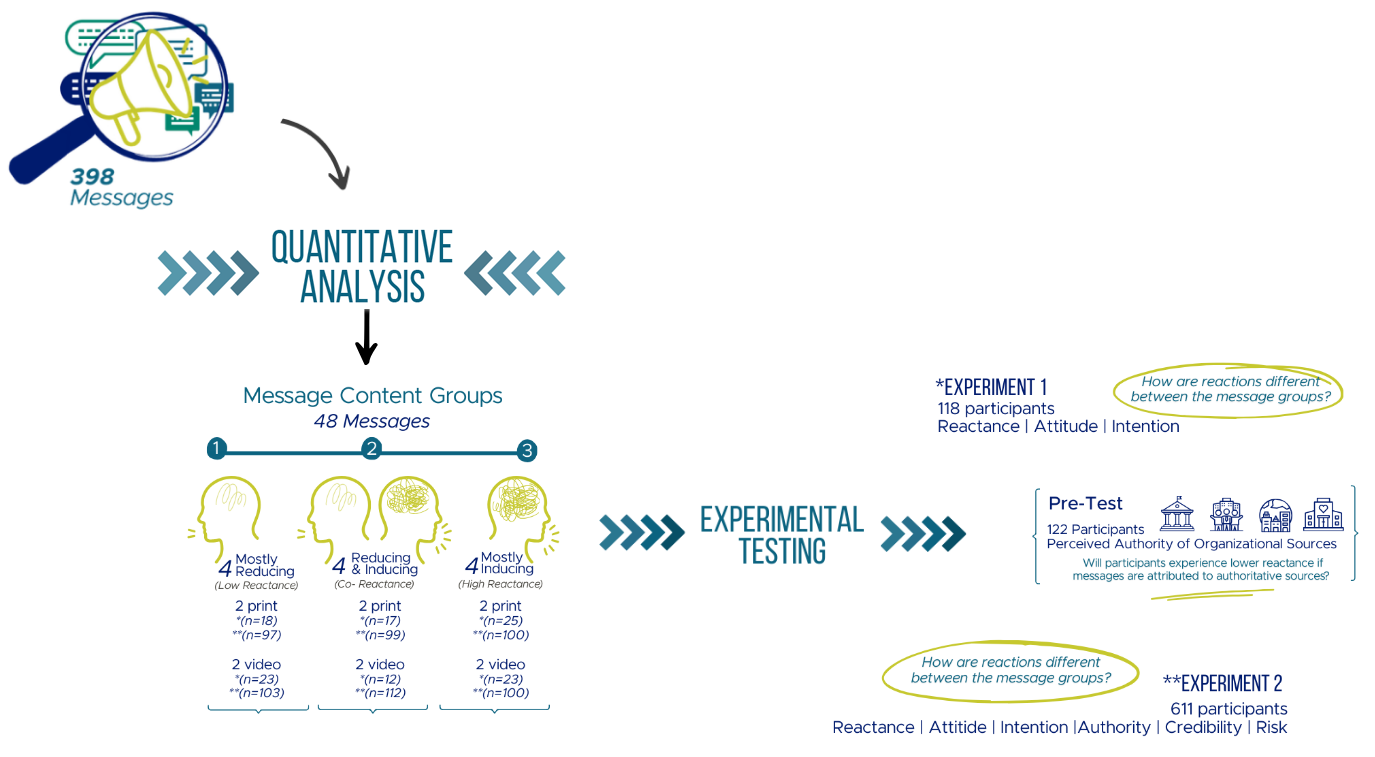
The research team used a convenience snowballing sample by identifying and reviewing 94 anti-counterfeit campaigns that contained 398 English-language messages publicly displayed between 2005-2024. Messages were then evaluated and pooled by the type of psychological reactance element used. The resulting pool contained 3 different groups: mostly reactance reducing, mostly reactance inducing, both reactance reducing and inducing.
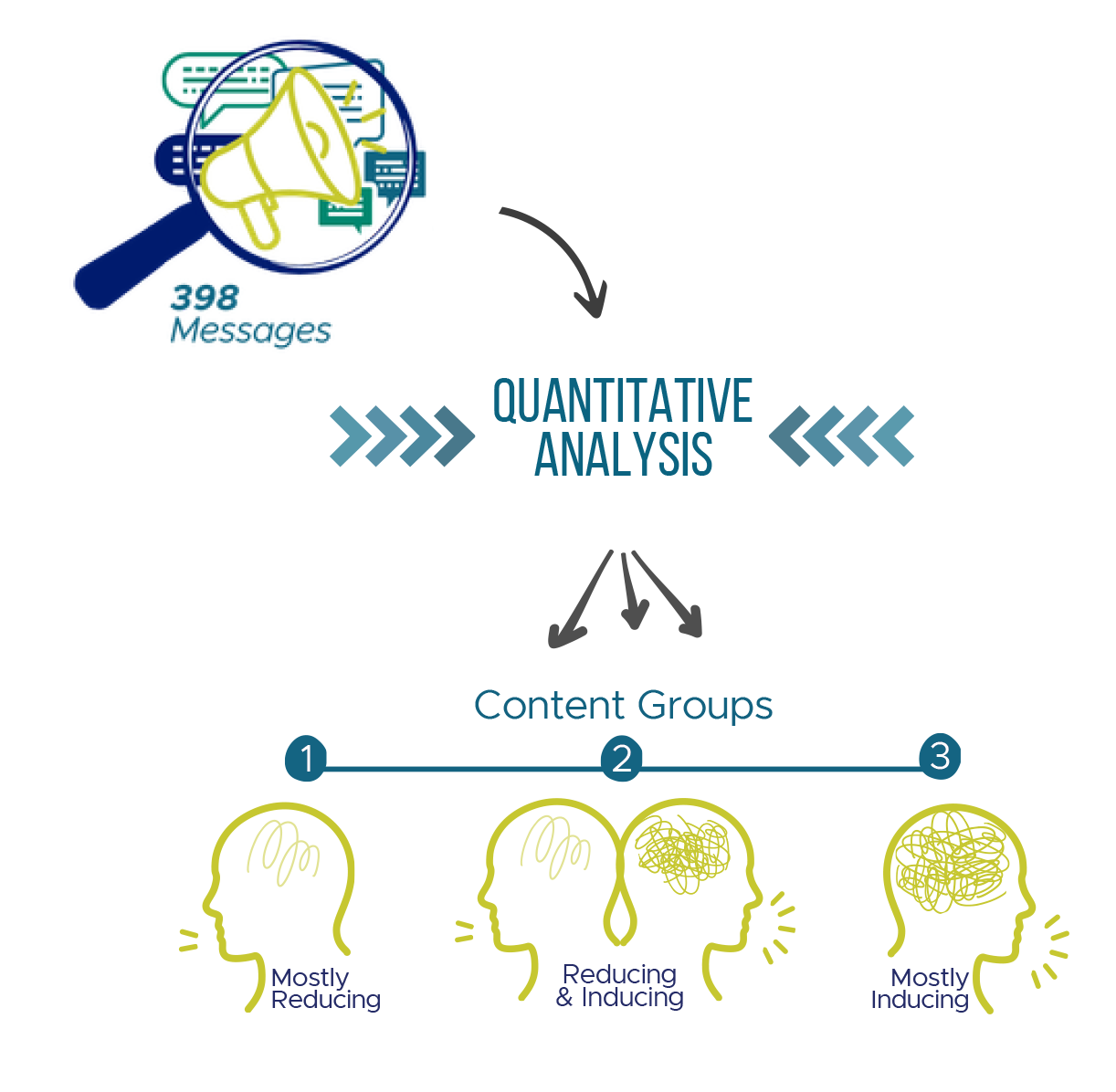

Conscious or less conscious thoughts and feelings that one’s freedom to engage in a behavior is threatened. Often, such thoughts and feelings are accompanied by anger.
Consequently, when individuals perceive a loss of freedom, they attempt to restore it by intensifying rather than abandoning risky behavior, often coming to further like and justify that behavior (Brehm, 1966; Burgoon et al., 2002; Rosenberg & Siegel, 2018).
Experimental Testing
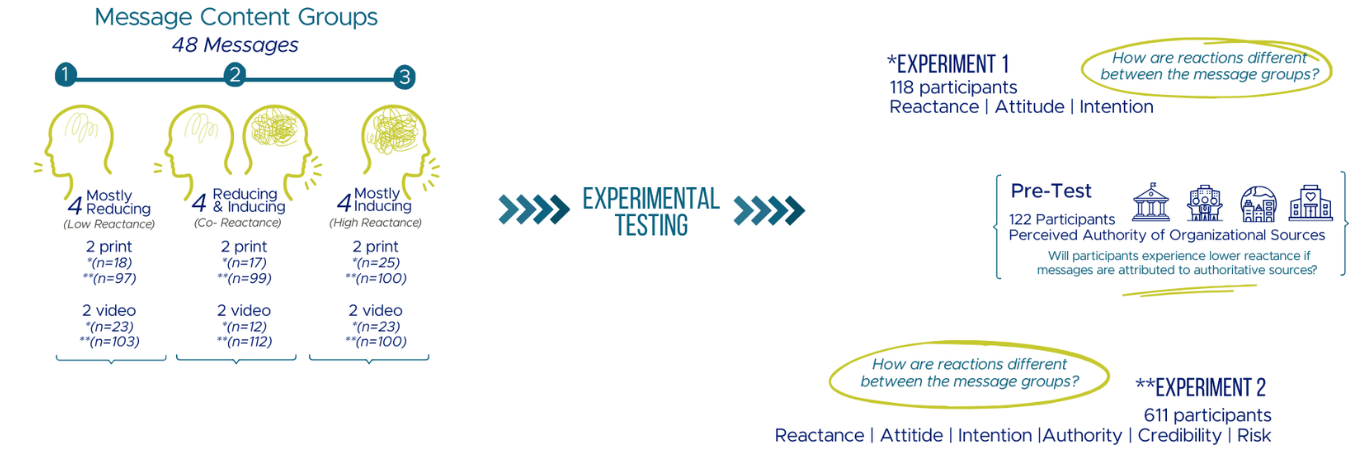
Two experiments were conducted by the research team using a total of 48 messages from the content analysis pool. The study design consisted of four messages from each of the three groups, mostly reactance reducing, mostly reactance inducing, both reactance reducing and inducing. The experiment was conducted online with half of the messages presented in video and half in print.
The first experiment included 118 participants who evaluated attitude and behavorial intentions when shown print and video messages at the three levels of reactance.
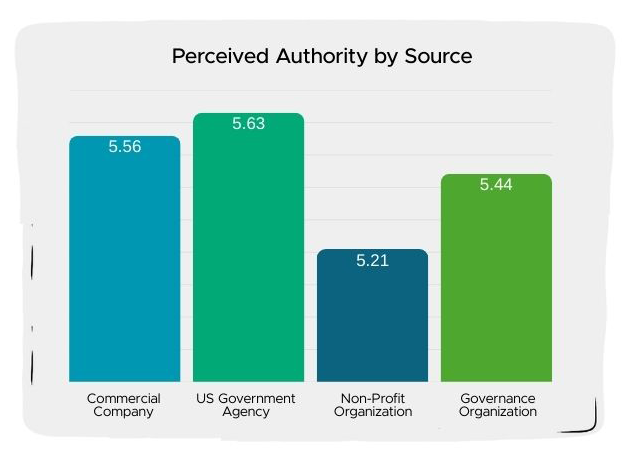
In a pretest to the second experiment, researchers evaluated if participants would react differently to the messages in Experiment 1, if the messages were attributed to sources (government agency, commercial company, non-profit NGO, and international organization) with different levels of perceived authority.
Experiment 2 included 611 participants who evaluated responses based on the same characteristics from the first experiment, along with message source, to see how participants viewed credibility and perceived risk.
Key Findings
Message Content & Strategy
Message Source
Message Format
Audience Segments
Implications for Practice

Prioritize Video
- Use video formats to maximize effectiveness in engagement and driving awareness and behavior change.
- Explore underutilized media like television and audio.

Balance Message Tone
- Reduce psychological reactance by avoiding overly controlling language and negative appeals.
- Use reactance-reducing elements to soften high-reactance content when needed.

Diversify
Incorporate underused persuasive techniques like storytelling, positive framing, and social norms, as well as media like TV and radio to reach new audiences.

Customize Campaigns
- Develop strategies for different product categories and consumer profiles.
- Segment audiences based on prior counterfeit buying behavior to tailor message tone and content.
Download the full PDF report.
This Essential Insights was created from the full research report in part by AI and reviewed by the authors and editorial team at the A-CAPP Center.
This research was conducted independently by a team of professors and graduate students from the Department of Advertising and Public Relations at Michigan State University (MSU) using a research grant funding from MSU’s Center for Anti-Counterfeiting and Product Protection (A-CAPP).
Obtaining Additional Marketing Insights: This report is not intended to be marketing advice for your organization. For assistance with an individualized marketing strategies incorporating findings from this study with your audience, please contact the A-CAPP Center.
To Cite the full Report: Kononova, A., Alhabash, S., Huddleston, P. Moldagaliyeva, M., Lee, H., Bezbaruah, S., & Anafina, D. (2026). When Organizations Talk to Consumers about Counterfeiting: Analysis of 2005-2024 Communication and Consumer Education Campaigns to Build Theory-Informed Brand Protection Strategies. East Lansing, MI: Center for Anti-Counterfeiting and Product Protection, Michigan State University.
ESSENTIAL INSIGHTS
Why This Research Matters
Counterfeiting is a continually growing global risk, costing the economy hundreds of billions to trillions of dollars each year, affecting communities worldwide, and directly harming consumer safety, health, and well-being. Consumer buying is a complex decision-making process. Our 2023 global study of consumers found that 74% purchased counterfeits, with more than half doing so knowingly. Of the more than two-thirds of consumers that were deceived into buying a counterfeit, 38% decided to keep the product (Alhabash et al 2023).
This research evaluates anti-counterfeiting communication strategies through a comprehensive content analysis of existing campaigns and experimental research grounded in media and communication theory. The goal is to provide brand protection professionals with evidence-based insights to influence consumer attitudes and behaviors around counterfeit purchasing.
What We Found in Campaign Messages
The research team reviewed 94 anti-counterfeit campaigns that contained 398 English-language messages from the time period of 2005-2024. Messages were first evaluated and grouped by the type of psychological reactance element used. 24 experimental tests with over 700 participants were then conducted to evaluate each grouping for consumer responses of various message characteristics to assess the overall impact on behavioral intention and risk perception.

Psychological Reactance
Conscious or less conscious thoughts and feelings that one’s freedom to engage in a behavior is threatened. Often, such thoughts and feelings are accompanied by anger.
Reactance-Inducing
Messages that feel pushy or controlling. They use strong commands or scare tactics, which can make people feel angry or defensive (“Don’t buy fakes!”).
Reactance-Reducing
Messages that feel respectful and supportive. They use gentle suggestions and personal stories to help people feel informed and empowered (“Buying originals helps stop crime.”).
What the Key Findings Were
of messages contained both reactance-inducing and reactance-reducing elements (“Don’t buy fakes!”, “Buying originals helps keep you safe.”).
of messages used controlling language (“Don’t buy fakes!”).
of messages used loss framing, or appeals that highlight what one would lose if they buy counterfeits (“Counterfeit cosmetics can cause injury.”).
of messages used self-referencing (“Imagine if your child was harmed by a counterfeit toy.”).
of messages used low-controlling, suggestive language (“Consider using trusted brands to protect your family.”).

High-reactance messages made people feel angrier and less likely to like or share the message.

Low-reactance messages were more liked and more likely to be shared on social media.

Video messages were more effective than print in:
- Raising awareness about counterfeits
- Making people feel vulnerable to risks
- Increasing belief in their ability to protect themselves
What This Means for Industry
How brands and organizations communicate about counterfeiting matters. To reduce counterfeit buying, organizations must communicate smarter—not louder.
- Messages that respect consumer autonomy and use emotional intelligence are more likely to succeed.
- Messages that feel too aggressive, controlling. or fear-based can backfire, making consumers defensive or even more likely to ignore the warning. On the other hand, messages that feel respectful, informative, and emotionally supportive are more likely to be trusted, shared, and acted upon.
- Using storytelling, positive framing, and video content can help build consumer awareness and encourage safer buying behaviors.
- Segment your audience and tailor messages to their experiences and motivations.
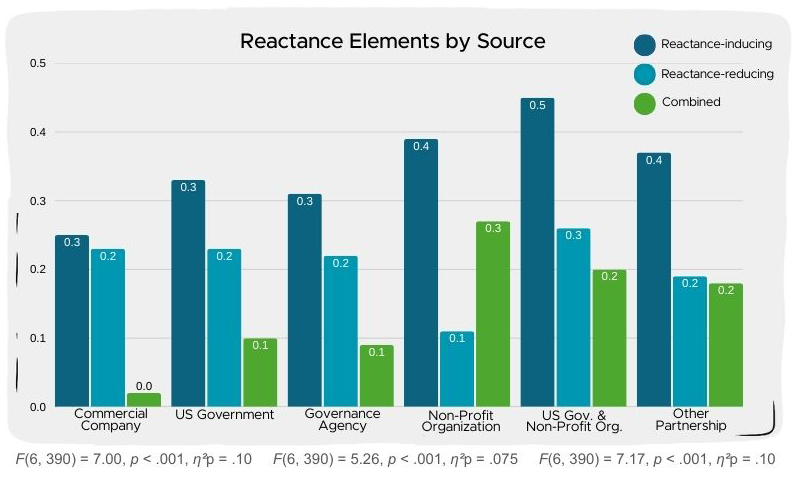
- Partner wisely on campaigns with those whose messaging is balanced and perceived as having authority, such as government & NGOs.
- Diversify to include underused media, like TV and radio to reach new audiences.
Download the full PDF report.
This Essential Insights was created from the full research report in part by AI and reviewed by the authors and editorial team at the A-CAPP Center.
This research was conducted independently by a team of professors and graduate students from the Department of Advertising and Public Relations at Michigan State University (MSU) using a research grant funding from MSU’s Center for Anti-Counterfeiting and Product Protection (A-CAPP).
Obtaining Additional Marketing Insights: This report is not intended to be marketing advice for your organization. For assistance with an individualized marketing strategies incorporating findings from this study with your audience, please contact the A-CAPP Center.
To Cite the full Report: Kononova, A., Alhabash, S., Huddleston, P. Moldagaliyeva, M., Lee, H., Bezbaruah, S., & Anafina, D. (2026). When Organizations Talk to Consumers about Counterfeiting: Analysis of 2005-2024 Communication and Consumer Education Campaigns to Build Theory-Informed Brand Protection Strategies. East Lansing, MI: Center for Anti-Counterfeiting and Product Protection, Michigan State University.
Copyright © 2026 Board of Trustees at Michigan State University. All Rights Reserved.