


ARTIFICIAL INTELLIGENCE & INTELLECTUAL PROPERTY PROTECTION
Perceptions of Intellectual Property and Brand Protection Professionals
Saleem Alhabash, Kari Kammel, Duygu Kanver, Maria Molina
Executive Summary
Amid exponential growth in the use of artificial intelligence (AI), the Center for Anti-Counterfeiting and Product Protection (A-CAPP) and the National Intellectual Property Rights Coordination Center (IPR Center) conducted a multi-method study to explore threat and benefit perceptions of AI use in intellectual property protection among experts and professionals in the field.
Risk-Benefit Duality
Participants perceived AI threats and benefits as a “double-edged sword.” They indicated that AI poses a more prominent threat to publishing and creative arts than industries manufacturing hardware or other consumer products.
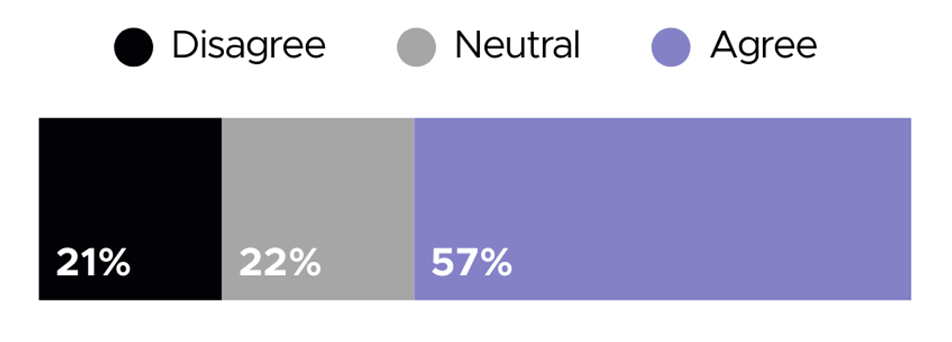
57%
of survey participants perceived AI as “an extreme threat to IP.”
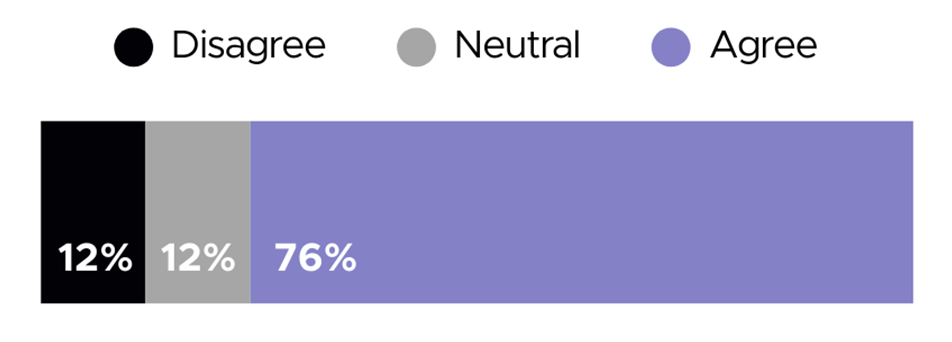
76%
of survey participants agreed that “the threat of AI to IP will significantly increase in the upcoming few years.”
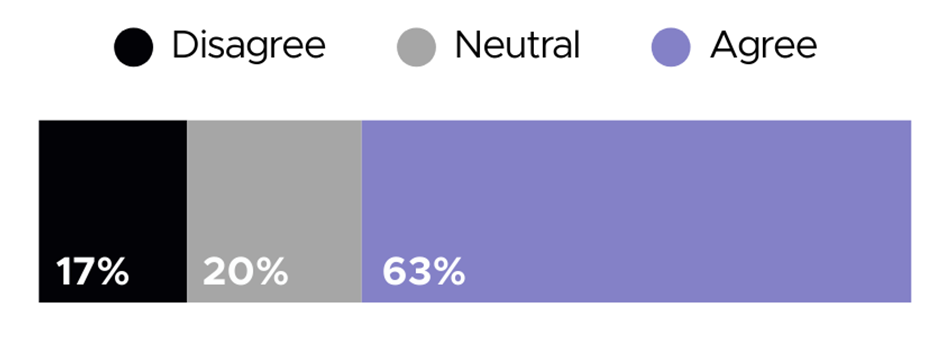
63%
of survey participants agreed that “AI is beneficial to IP protection.”
Knowledge Gap Regarding AI-Enabled Malicious Activities
Participants acknowledged that AI is introducing new challenges to IP protection, especially the way bad actors are using AI to infringe on IP. However, a considerable portion of these participants were not familiar with the harms inflicted by bad actors in reference to specific types of malicious activities and were even less familiar of their organization’s capacity to combat those malicious activities:
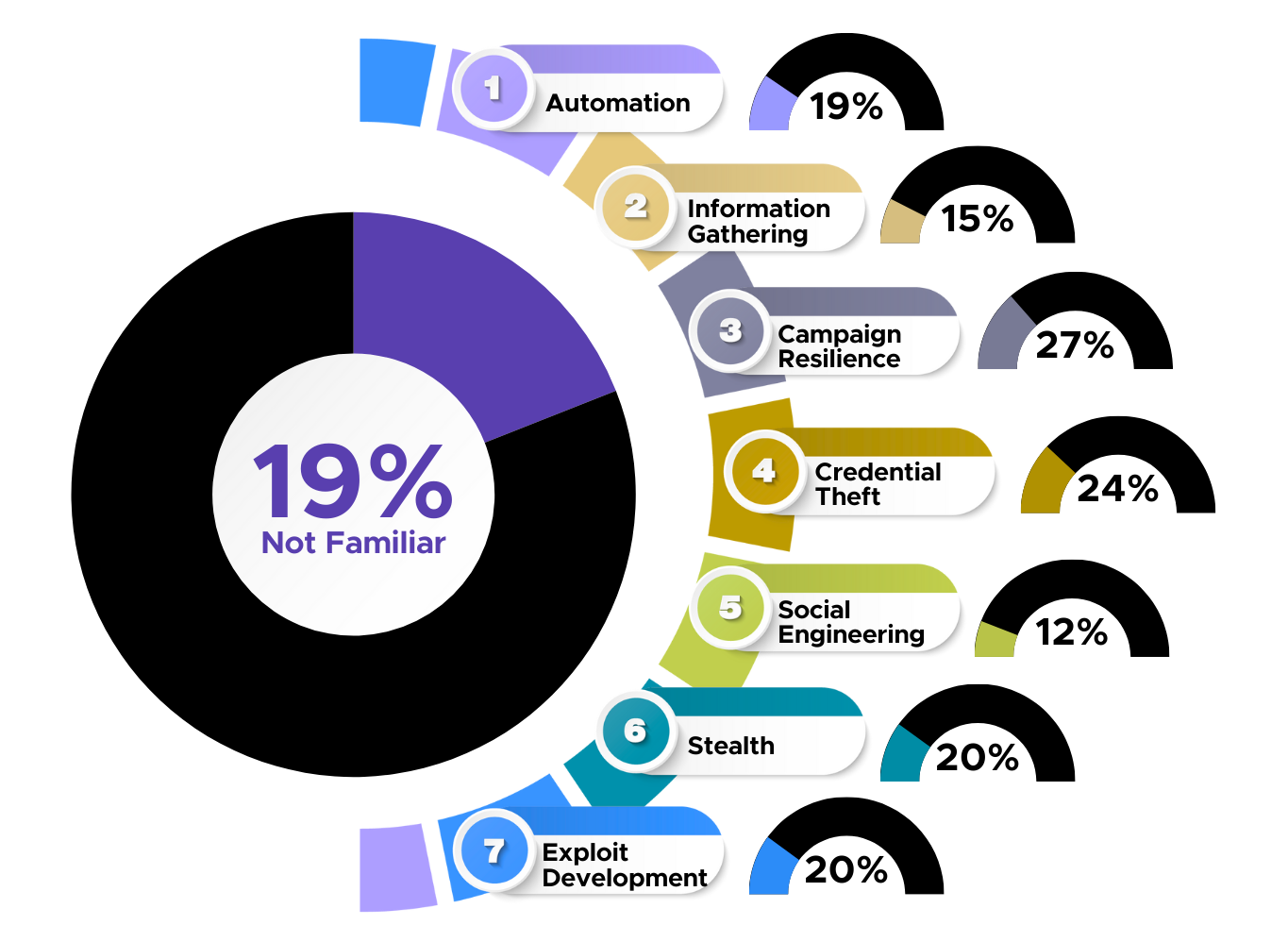
Participants were not familiar with the harms posed by 19% of AI-enabled malicious activities.
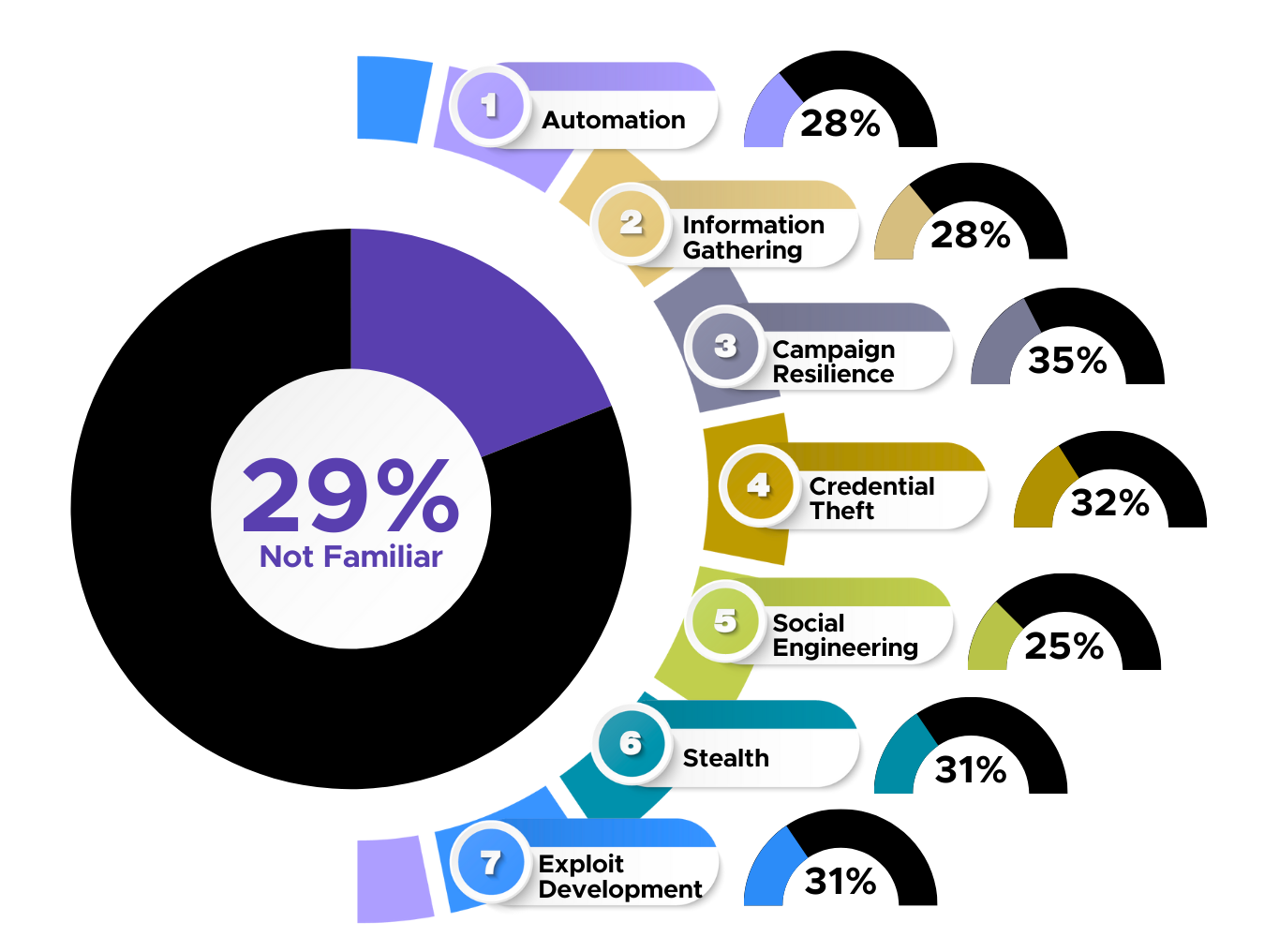
Participants indicated a lack of familiarity with the defeat potential for 29% of AI-enabled malicious activities.
Organizational Readiness
Although IP and brand protection professionals agreed that AI poses a serious threat to IP and identified this issue as an evolving priority for their organizations, they indicated low levels of organizational readiness to confront the threats posed by AI to IP protection.
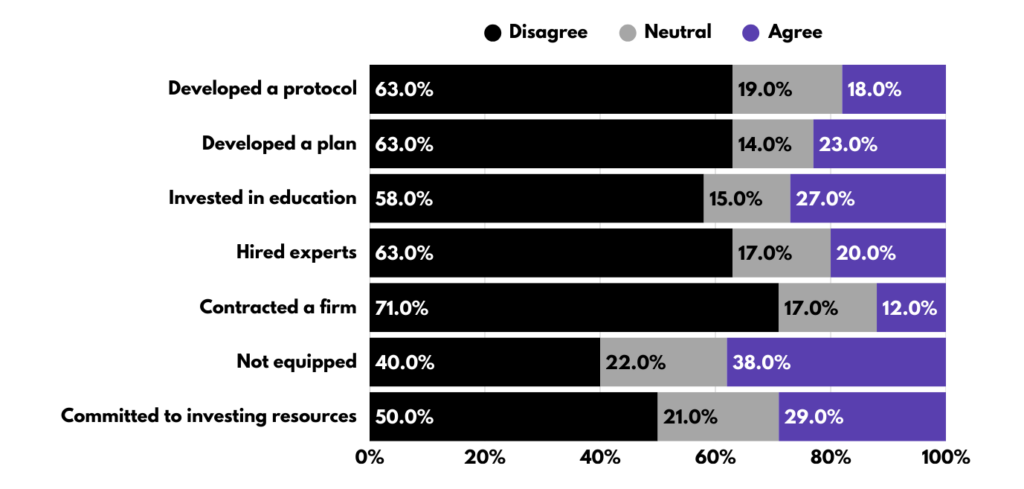
38% of survey participants indicatedthat their organization is “not equipped” to mitigate AI threats to IP protection.
18% of survey participants indicated that their organization developed an AI protocol.
29% of survey participants indicated their organization committed resources to mitigating AI threats.
27% of survey participants indicated their organization invested in educating their employees about these threats.
It’s All about Enhancing AI Literacy
Participants indicated moderate levels of AI literacy, yet statistical modeling showed that higher levels of AI literacy positively predicted intentions use AI for IP protection by enhancing individuals’ confidence level, among other technology adoption factors.
Average AI literacy score of the survey sample was 4.15 on a seven-point scale.
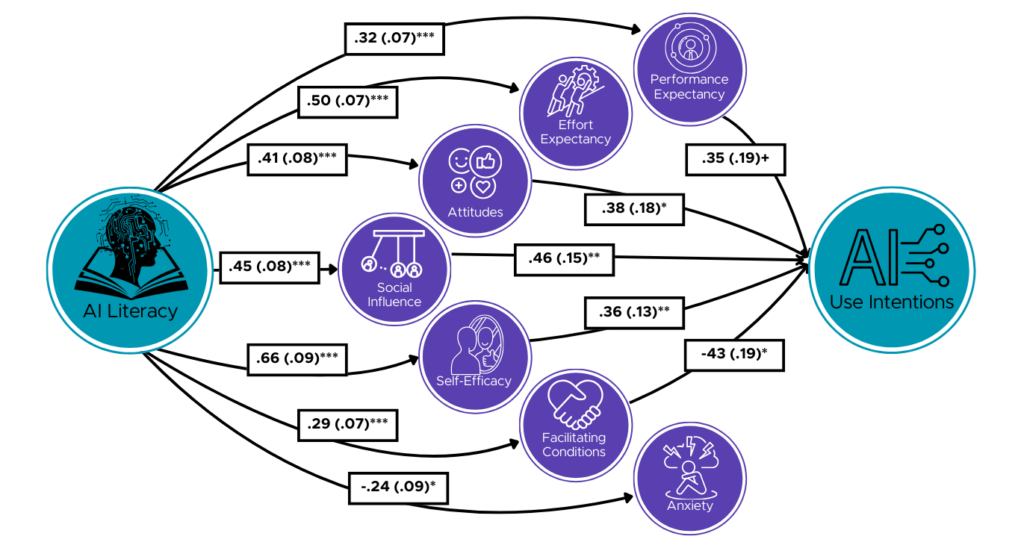
The relationship between AI literacy and intentions to use AI for IP protection was enhanced by higher levels of social normative perceptions and self-efficacy. In other words, those with higher levels of AI literacy perceived that others in their environment are using AI and expressed high levels of confidence in using AI for IP protection, which in turn increased their readiness to incorporate AI into their IP protection work.
Download the full PDF report.
To cite the full report: Alhabash, S., Kammel, K., Kanger, D., & Molina, M. (2025). Artificial Intelligence and Intellectual Property Protection: Perceptions of Intellectual Property and Brand Protection Professionals, Michigan State University. https://a-capp.msu.edu/ai-ip-protection
Copyright © 2025 Board of Trustees at Michigan State University. All Rights Reserved.